
Building a Home Diabetes Care Kit: Essential Supplies to Consider
- 7th Oct 2026
Managing diabetes at home becomes easier when the right supplies are organized and readily available. Whether someone has recently been diagnosed with diabetes or has been managing the condition for years, having a dedicated diabetes care kit can help make routine monitoring, medication management, and everyday care more convenient.
A home diabetes care kit does not need to be complicated. The supplies you need can vary depending on your treatment plan, blood glucose monitoring routine, and recommendations from your healthcare provider. The key is to keep essential items together, check them regularly, and replace anything that is expired, damaged, or running low.
For people looking for reliable diabetes care supplies, Medical Supply Corner offers a range of products designed to support everyday healthcare needs. Here are some of the essential items to consider when putting together a home diabetes care kit.
1. Blood Glucose Meter
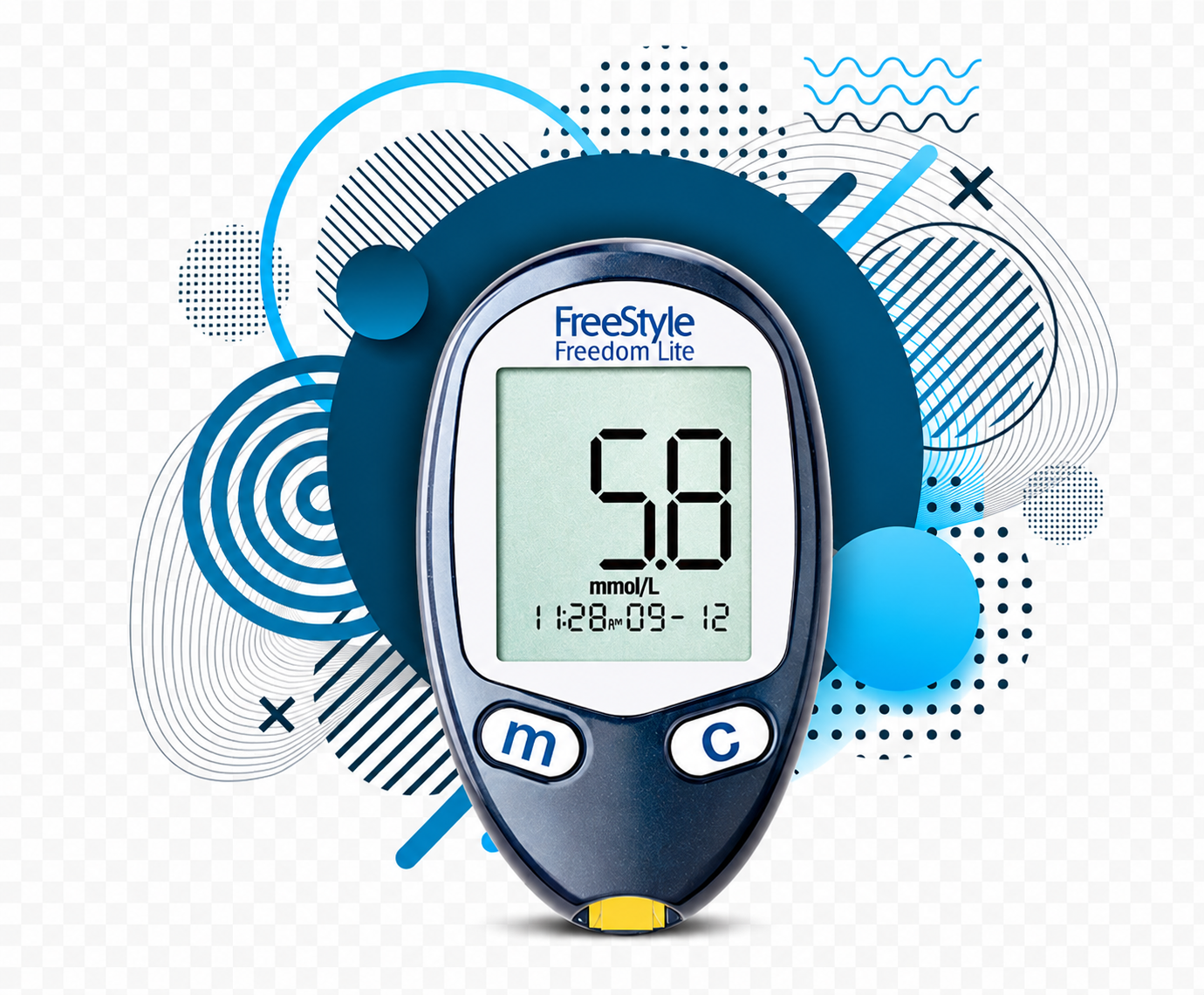
A blood glucose meter is one of the most useful tools for people who regularly monitor their blood sugar at home. These compact devices provide a blood glucose reading from a small blood sample, helping individuals follow the monitoring schedule recommended by their healthcare provider.
When choosing a glucose meter, consider factors such as:
- Ease of use
- Display size and readability
- Testing time
- Memory and result storage
- Size and portability
- Availability of compatible test strips
It is also important to use the meter according to the manufacturer's instructions and keep it clean and properly stored.
2. Blood Glucose Test Strips
A glucose meter is only useful when you have the appropriate test strips available. Test strips are designed to work with specific meters, so make sure you purchase the correct type for your device.
Keep test strips in their original container and follow the manufacturer's storage instructions. Exposure to moisture, heat, or improper storage can affect their performance. Check expiration dates regularly and avoid using strips that are damaged or expired.
Keeping an extra supply at home can also help prevent interruptions to your normal monitoring routine.
3. Lancets and a Lancing Device
Lancets are small, sterile needles used with a lancing device to obtain the blood sample needed for many glucose tests. Since they come into direct contact with blood, proper handling and disposal are important.
Your diabetes care kit should include enough lancets for your regular testing schedule. Follow your healthcare provider's recommendations and the manufacturer's instructions regarding lancet use and disposal.
Used lancets should never be left loose in a drawer or trash can. Place used sharps into an appropriate sharps disposal container according to local guidelines.
4. Alcohol Wipes or Other Cleaning Supplies
Keeping your hands and testing area clean is an important part of blood glucose testing. Alcohol wipes can be convenient when you need a portable cleaning option.
However, always follow the instructions provided with your glucose monitoring equipment. In many situations, washing your hands with soap and water and drying them thoroughly before testing is sufficient.
A small pack of wipes can still be useful to keep in a diabetes care bag, particularly when you're away from home.
5. Sharps Disposal Container
A sharps container is an important addition to any home diabetes care setup when needles, lancets, or other sharps are being used.
Instead of disposing of used sharps loosely in household waste, use an appropriate puncture-resistant container and follow applicable local disposal requirements. Keep the container somewhere secure and out of reach of children and pets.
Once the container reaches the recommended fill level, dispose of it according to your local healthcare or waste-disposal guidance.
6. Insulin and Insulin Administration Supplies
For people who use insulin, their diabetes care kit may need additional supplies. Depending on the prescribed treatment method, these may include insulin pens, syringes, pen needles, or other administration supplies.
Insulin should be stored according to the manufacturer's instructions. Temperature requirements can vary depending on the specific insulin product, so avoid assuming that all insulin products have identical storage requirements.
It can also be helpful to keep administration supplies organized separately so that they are easy to locate when needed.
7. Fast-Acting Sources of Carbohydrates
People taking insulin or certain diabetes medications may need to be prepared for episodes of low blood glucose. A healthcare professional can explain the signs of hypoglycemia and what action is appropriate.
Depending on an individual's diabetes management plan, a source of fast-acting carbohydrates may be useful to keep readily available. Glucose tablets or glucose gel are commonly designed for this purpose.
Your healthcare provider can advise you on how much to use and when, based on your individual circumstances.
8. Blood Pressure Monitor
Diabetes management involves more than monitoring blood glucose. Blood pressure is also an important health measurement for many people with diabetes.
A kit of home health gadgets can make it easier to track readings between healthcare appointments when monitoring has been recommended. Look for a device with an appropriately sized cuff and follow the manufacturer's instructions for positioning and measurement.
Keeping a record of readings can also make it easier to discuss trends with your healthcare professional.
9. Medication and Supply Organizer
A simple organizer can make a surprisingly big difference in maintaining an orderly diabetes care routine.
Consider using separate compartments or labeled storage areas for items such as:
- Glucose meters
- Test strips
- Lancets
- Alcohol wipes
- Medication
- Pen needles
- Batteries
- Other frequently used supplies
Keep medications and medical products in appropriate storage conditions and away from children and pets.
10. A Small Record-Keeping System
A diabetes care kit can also include a notebook, printed log, or digital tracking system for recording relevant information.
Depending on your healthcare provider's recommendations, you may want to track blood glucose readings, medication doses, food-related observations, physical activity, or other relevant information.
Keeping consistent records can help identify patterns and give your healthcare team useful information when discussing your diabetes management.
11. Extra Batteries and Backup Supplies
Some diabetes devices rely on batteries, and discovering that a device has stopped working when you need it can be frustrating. If your equipment uses replaceable batteries, consider keeping compatible replacements with your supplies.
It's also worth periodically checking your entire kit for low inventory. Running out of test strips, lancets, pen needles, or other regularly used items can interrupt your routine.
Keep Your Diabetes Care Kit Organized
Once you've gathered the essential supplies, organization becomes just as important as the products themselves. Store frequently used items somewhere clean, dry, and easy to access. Avoid exposing supplies to excessive heat, moisture, or direct sunlight unless the manufacturer's instructions specifically allow it.
Consider maintaining two kits if you regularly leave home—one at home and a smaller portable kit for work, travel, or other activities. Check both kits periodically to make sure supplies are still within their recommended use dates.
It's also a good idea to review your supplies whenever your diabetes treatment plan changes. Your healthcare provider may recommend different monitoring equipment or additional supplies based on your needs.
Build a Kit That Fits Your Routine
There isn't one universal diabetes care kit that works for everyone. Someone who manages diabetes with lifestyle changes may need a different selection of supplies than someone who regularly uses insulin and monitors blood glucose multiple times a day.
The goal is to create a practical setup containing the supplies you actually need. Start with the essentials—such as your recommended glucose-monitoring equipment and appropriate disposal supplies—and build from there based on your healthcare provider's guidance.
Medical Supply Corner can help make it easier to find everyday medical supplies for your home healthcare routine. Having the right products organized and available can provide convenience and help you stay prepared for the day-to-day aspects of diabetes management.